
Should you pay down the mortgage or top up your super?
Opinion
By Paul Ferrante
 One of the most common questions I get asked from members, including those nearing retirement, is whether it's better to put extra money towards the mortgage or into super.
My honest answer? It depends.
I know that's not the clear-cut answer most people are hoping for, but the reality is there's no one-size-fits-all solution. The right choice comes down to your personal circumstances, goals and what matters most to you at this point in your life.
With ongoing cost of living and higher mortgage repayments, many Australians are feeling the pressure. Combine that with the complexity of superannuation – you might be thinking ‘I don’t really understand super, should I be putting extra money into it?’ – and it’s easy to see why the whole thing can feel a bit confusing.
In my experience, when people aren't sure what the best option is, they often do nothing at all. Unfortunately, that can mean missing out on opportunities to improve their financial position.
Both options – paying more towards the mortgage or adding to super – have their advantages. The important thing is to weigh up what's most important to you and your retirement goals.
Let’s look at some of the pros and cons of each.
Paying down the mortgage
I'll start with the option that many people naturally gravitate towards - paying off the mortgage.
I've spoken to plenty of people who say becoming mortgage-free is when they'll truly feel ready for retirement. Owning your home outright can give you real peace of mind, reduce financial stress and help you feel more confident as you get closer to retirement.
There’s also the certainty that comes from paying down your home loan. Every extra dollar you put towards your mortgage reduces the amount of interest you'll pay over time. Unlike investing, where returns can go up and down, the benefit is clear and easy to understand. It can often feel like a guaranteed win.
If your loan has a redraw facility or offset account, you could access those extra repayments if you need the cash unexpectedly. That flexibility can be a real drawcard while you're paying down the loan and dealing with life's unexpected costs.
The trade-off is that directing all your spare cash towards your mortgage now could mean missing out on some of the long-term growth potential and tax benefits that super can offer, especially if retirement is still years away.
Which brings me to the flip side of the coin.
Topping up super
Super can feel more complicated than making extra mortgage repayments, but it comes with some powerful benefits.
One reason I'm a big fan of super is the tax advantages. For most people, concessional (before-tax) contributions and investment earnings in super are taxed at lower rates (generally 15%) than income outside of super, which can save tax and help your money grow more efficiently.
Another benefit is that money contributed to super today can continue growing for many years, both before and during retirement, thanks to the power of compounding.
Compounding is when your investment earnings start generating earnings of their own. It's one of the most valuable ways to build your wealth. The earlier money is contributed to super, the longer it has to grow.
And if you don't have the time, expertise, or interest to manage your own investments, your super fund gives you access to professionally managed investment options that may be too difficult or costly to replicate on your own.
If you focus on building a larger super balance, you could have more options at retirement, including paying off any remaining debt and still supporting your income needs in retirement.
The biggest drawback is that you generally can’t access super until you meet a condition of release, which for most people is turning 60. While this can help preserve and grow your retirement savings, it also means the money isn’t readily available if you need it sooner. And that can be a worry if you’re concerned about having enough money on hand if you need it.
The other thing to remember is that investing through super isn’t without its ups and downs. While super has the potential to deliver higher returns over the long term, these aren’t guaranteed and markets don't move in a straight line upwards.
So, which is the better choice?
The reason I said at the beginning, “it depends”, is because I've seen both approaches work well for different people.
When you strip it all back, it’s a decision between peace of mind now versus potentially greater retirement savings later.
If your main goal is reducing debt and improving your financial security, paying down your mortgage may be the right option.
Becoming mortgage-free can provide more cash flow as you approach retirement and remove a huge financial burden. It could also create an opportunity to boost your super later through a downsizer contribution, if you sell your home and are eligible to put some of the proceeds into super.
If your focus is maximising your retirement savings, benefiting from super's tax advantages, and you're comfortable taking on some investment risk, topping up your super may be the better choice.
But who says it has to be one or the other?
In my experience, many people land somewhere in the middle. A combination of both strategies may provide a balance between the security of reducing debt and the long-term benefits of building retirement savings.
The right approach will depend on your personal circumstances, including your income, assets, debts, retirement goals and comfort with risk.
At the end of the day, the best strategy isn't necessarily the one that gives you the strongest financial outcome on paper. It's the one that meets your goals, gives you confidence about the future, and helps you sleep well at night.
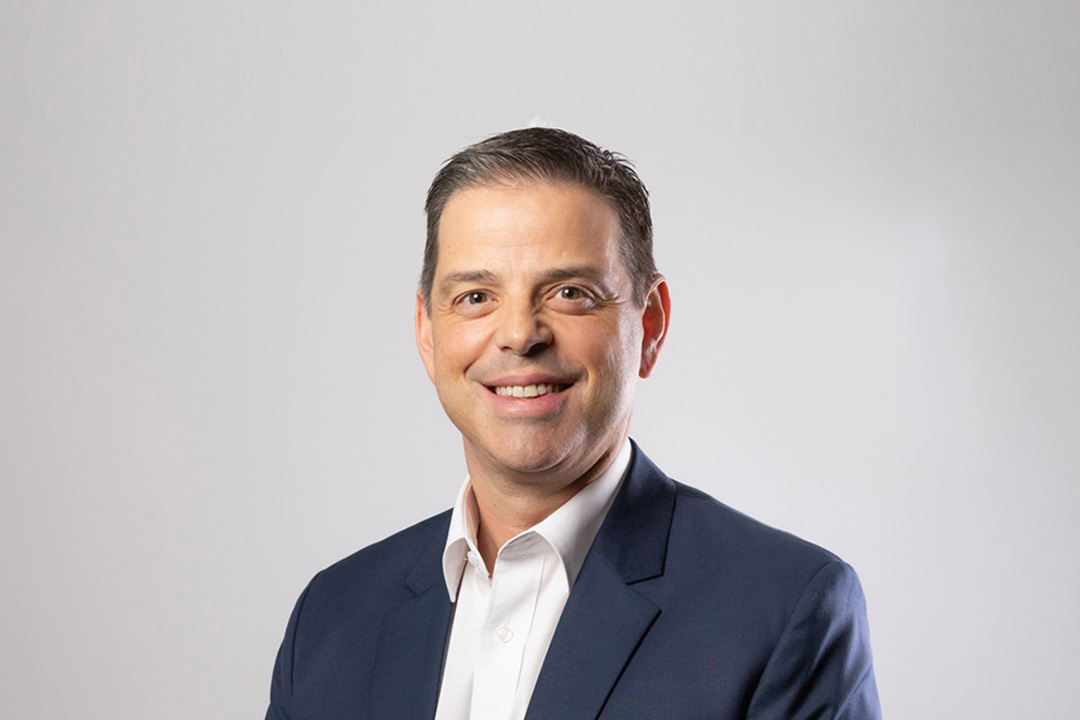 Paul Ferrante
Education Manager
Paul is an experienced superannuation and member education specialist with over 23 years in the financial services industry. He brings extensive knowledge from previous roles at UniSuper and GESB Financial Advice, where he worked across a range of functions supporting client outcomes and engagement.
Paul is highly skilled at translating complex financial concepts into clear, practical guidance for diverse audiences. He is known for his approachable communication style and commitment to delivering impactful education outcomes.
Paul holds a Certified Financial Planner (CFP) designation, a Bachelor of Commerce from Curtin University, and an Advanced Diploma of Financial Services (Financial Planning).
Thank you for printing this page. Remember to come back to gesb.wa.gov.au for the latest information as our content is updated regularly. This information is correct as at 27 October 2026.