
Should you pay off your debt or add to your super?
Opinion
By Samantha Henry
 If someone asked me, “I’ve got a bit of extra money, should I pay down my debt or put more into super?”, my first thought would be: why does it have to be one or the other?
I’m all for paying down debt, especially high-interest debt. If you’ve got a credit card or personal loan that’s racking up a lot of interest, getting that under control should absolutely be a priority.
But I’m also a big believer in building super throughout your working life. Personally, I wouldn’t want to completely ignore super for years while I waited to become debt free. Because, well… life happens!
There will always be something else competing for our money: the car needs to be serviced, the kids suddenly need something you hadn’t budgeted for, or another expense turns up at the wrong time.
If we wait until everything else is paid for before giving super some attention, that day may never come.
So, how do you balance saving for your retirement with your day-to-day expenses and debt?
Start contributing small amounts early
Putting any extra amount of cash into super – even if it’s just $50 a week – could boost your savings significantly in the long term.
The key is to start contributing early, so you can take advantage of compounding returns.
Here’s how it works: while your super is invested, it earns returns which are reinvested to grow into an even bigger amount over time.
The longer your money is invested, the bigger the snowball effect of compounding returns can be. That’s why investing for the long term matters so much.
You can always decide to contribute more later, but you can’t go back and give those earlier contributions another ten years to grow.
Consider salary sacrificing
Relying on willpower alone to save for your retirement is easier said than done.
Instead, you could look at salary sacrificing into your super. This is where some of your before-tax salary is paid straight to your super, instead of your bank account.
By ‘sacrificing’ some of your pay upfront, you’re also reducing your taxable income, which is a win-win for your super balance and tax bill.
Personally, I’ve built my additional super contributions up gradually. Whenever I get a pay rise, I allocate a part of the increase into my super and keep the rest in my take home pay.
So, I still feel like I get a pay rise, I just don’t take all of it home. If I’ve never really seen the extra money in my bank account, I don’t miss it.
Over time, those small increases have allowed my salary sacrifice amount to grow without it ever feeling like one big hit to my pay that I would notice.
Would I prefer it in my pay? Absolutely. But, every week in my role I meet people who say I wish I had started earlier or paid attention to this earlier.
I have never heard someone complain they had too much money in retirement; it’s always the other way.
That also doesn’t mean I’ve always contributed the same amount. The only time I completely switched my salary sacrifice off was during maternity leave.
At that point, having the money available for everyday expenses was the priority while I was on a lower income. And I think that’s important too. For me, the important thing is coming back to it when you can.
I also recognise that I’ve spent most of my working life in financial services, so I’ve had the benefit of seeing what additional contributions, time and compounding can do over the long term. That probably made me think about my own super earlier than I otherwise would have.
Whatever you do, don’t leave super to the last minute
So, back to the question - debt or super? High-interest debt is a priority. But having debt shouldn’t mean you need to ignore super completely. My approach would be to deal with the debt that is working hardest against you, while still putting something small towards your future.
Then, as the debt comes down or your income goes up, you can gradually increase those contributions. It doesn’t have to be hundreds of dollars. Sometimes starting with a small amount is enough.
There will always be a reason to say, “I’ll deal with super later.” My view is simple: start small, start early and keep coming back to it.
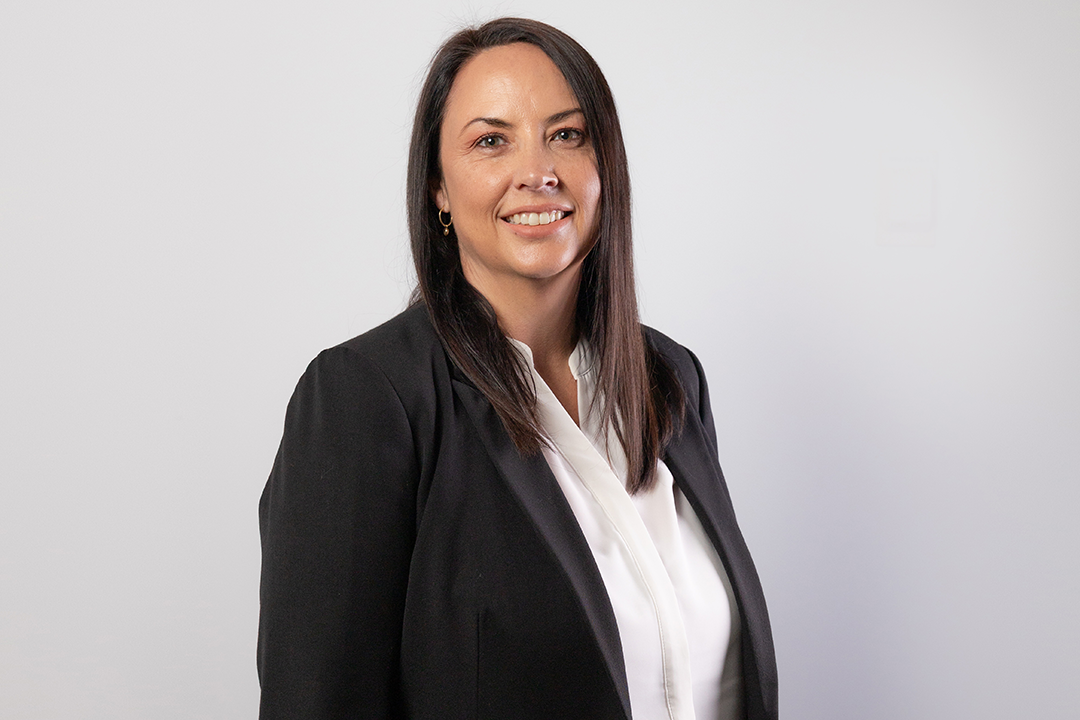 Samantha Henry
Relationship Manager
Samantha has almost 20 years of financial services experience with broad expertise across superannuation, financial strategy and member education.
In her role as Relationship Manager, she partners with WA public sector employers to strengthen engagement and enhance our members’ superannuation experience.
Samantha guides employers and members through our superannuation products, providing the information and insights they need to make confident decisions around their superannuation and retirement planning. She is known for her ability to make complex information easy to understand and for taking a collaborative and supportive approach to employer engagement.
Samantha holds a Master and Graduate Certificate in Financial Planning from Griffith University and a Diploma of Financial Planning (RG146) from Kaplan Professional.
More information
- Learn more about how to grow your super
Read more Super news
Stay up to date with changes affecting your super and the wider industry, including the latest investment, government and company news.
Thank you for printing this page. Remember to come back to gesb.wa.gov.au for the latest information as our content is updated regularly. This information is correct as at 26 October 2026.