
Grow your super
Super contributions can help boost the money you'll have when you retire. For the 2026/27 financial year, your employer must contribute 12% of your pay to super, but you can make voluntary contributions to help your super grow in the long term.
How much super you'll need when you retire depends on the lifestyle you want, but research from the Association of Superannuation Funds of Australia (ASFA) suggests benchmarks for comfortable and modest standards of living.

Add money to your super
By adding to your super now, you could have a bigger balance when you retire.
Through a process called compounding, money earned through investment returns will earn more returns. Like a snowball rolling down a hill and growing larger as it rolls, your super can also expand the longer it is earning.
You can voluntarily add to your super in two ways: before-tax contributions through your employer (generally taxed at 15%), or after-tax contributions from your take-home pay.

Salary sacrifice
You can ‘sacrifice’ part of your take-home pay to super. Set up through your employer, this can have tax benefits.

After-tax personal contributions
You can make after-tax personal contributions with money that you've already paid tax on, such as your salary.
Use our contributions calculator
 Use our contributions calculator
Tell us how much extra you’re willing to put into your super and we’ll estimate the most effective way for you to make contributions, before or after tax.
Other ways to boost your super
You can help grow your balance quicker by organising your super and making sure your investment plan suits your goals.

Combine your super
Consolidate your superMoving all your super into one account can reduce fees, meaning more money stays invested in your future. It's easy to do through Member Online or your MyGov account.

Find lost super
Find your superIf you have lost super held by the Australian Taxation Office (ATO), finding and putting this money into your chosen fund can help boost your balance in the long term.
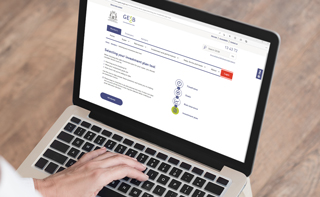
Review your investment plan
Changing investment planThe investment plan you choose now can make a difference to the amount you have in retirement. The option that might best suit you depends on your goals.
Changing jobs
When you start a new job, your new employer will ask you about your super. You can continue contributing to GESB and keep all your super in one fund, even if you work outside the WA public sector.
Life changes
When your life changes, reviewing your insurance can help make sure you’re only spending your retirement savings on insurance that you actually need. You can make changes or cancel your insurance at any time.
Frequently asked questions
If the answer you're looking for isn't here, please visit our FAQ page or contact us by calling 13 43 72 or using Live chat.
What's an after-tax personal contribution?
An after-tax personal contribution is one you make yourself. It is separate to the 12% Superannuation Guarantee (SG) contributions that your employer pays into your super account.
You can make after-tax personal contributions by:
- Adding to your super from your take-home salary
- Using lump-sum amounts such as inheritance, lottery winnings or money from selling an asset
Making your own contributions to your super could make a big difference to the amount you have when you retire.
Who can make after-tax contributions?
If you have a GESB Super, West State Super or Gold State Super account, you can make after-tax contributions. You don’t have to be currently employed in the WA public sector.
If you only have a Gold State Super or Gold State Super deferred account with us, we will automatically open a GESB Super account for you.
What is a spouse contribution?
Spouse contributions are contributions you make on behalf of your partner to their super account from your after-tax income. They allow you to grow your joint savings for retirement, and in most cases, receive a number of tax benefits.
A spouse, for these purposes, is your husband, wife or de facto partner (of any gender) who lives permanently with you on a bona fide domestic basis, at the time the contributions are made.
Spouse contributions are treated as a personal after-tax or non-concessional contribution. However, they don't help you qualify for the Australian Government Super Co-contribution payment. To do this, you will still need to make personal after-tax contributions into your own account.
What is a co-contribution?
The Super Co-contribution is a way for the Australian Government to help you save for your retirement. If you are a low-income earner, you may be able to take advantage of the super co-contribution by making personal after-tax contributions to your super fund.
To qualify, you’ll need to meet certain eligibility criteria and your income has to be below the higher income threshold of $64,293.
Thank you for printing this page. Remember to come back to gesb.wa.gov.au for the latest information as our content is updated regularly. This information is correct as at 16 October 2026.